

















Mars 2020: Perseverance Rover
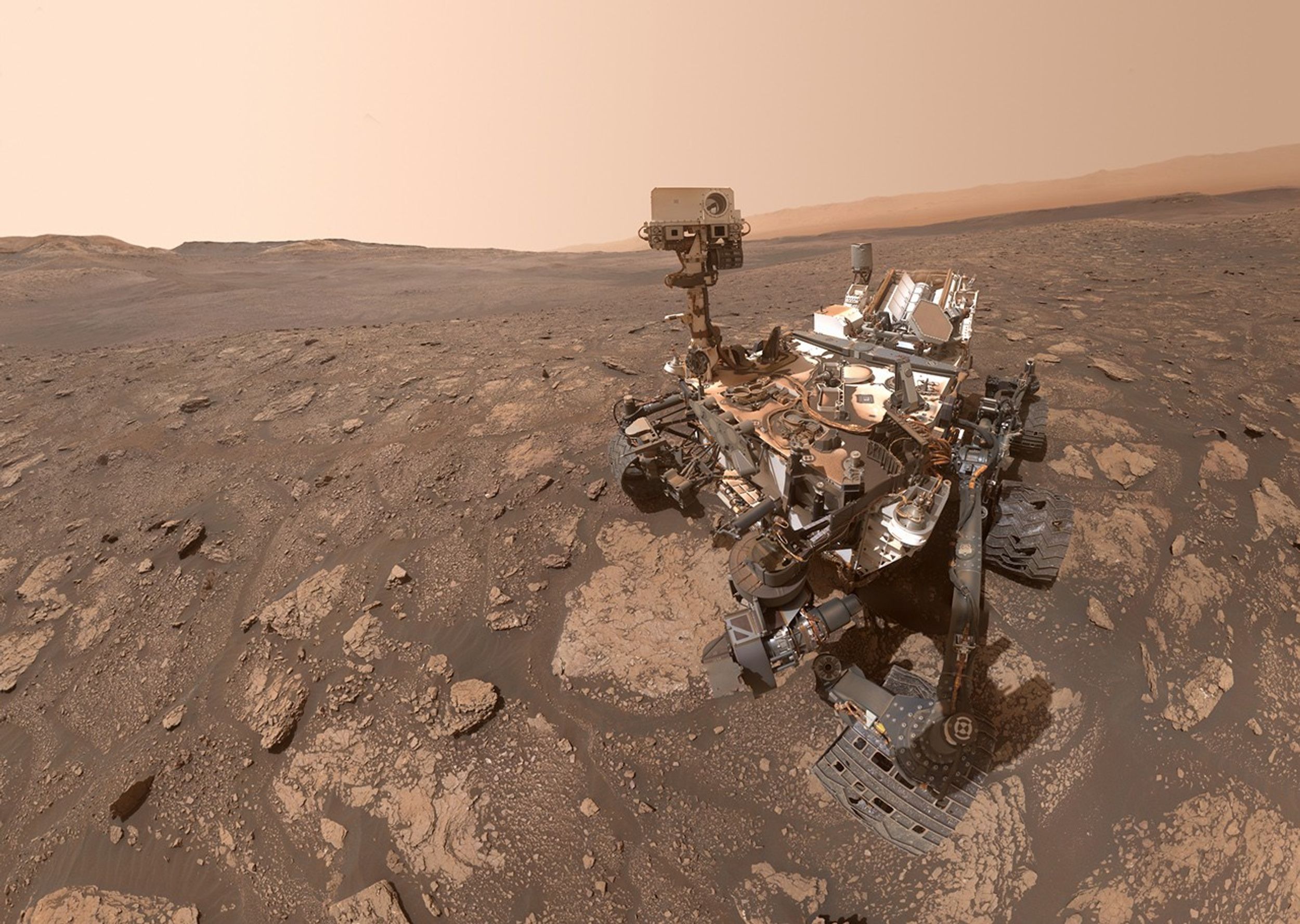
Five years ago, the most advanced robotic explorer ever sent to the Red Planet landed, “safely on the surface of Mars, ready to begin seeking the signs of past life.”
See how far it’s gotten — scientifically and literally — as it rolls into the rest of the decade.
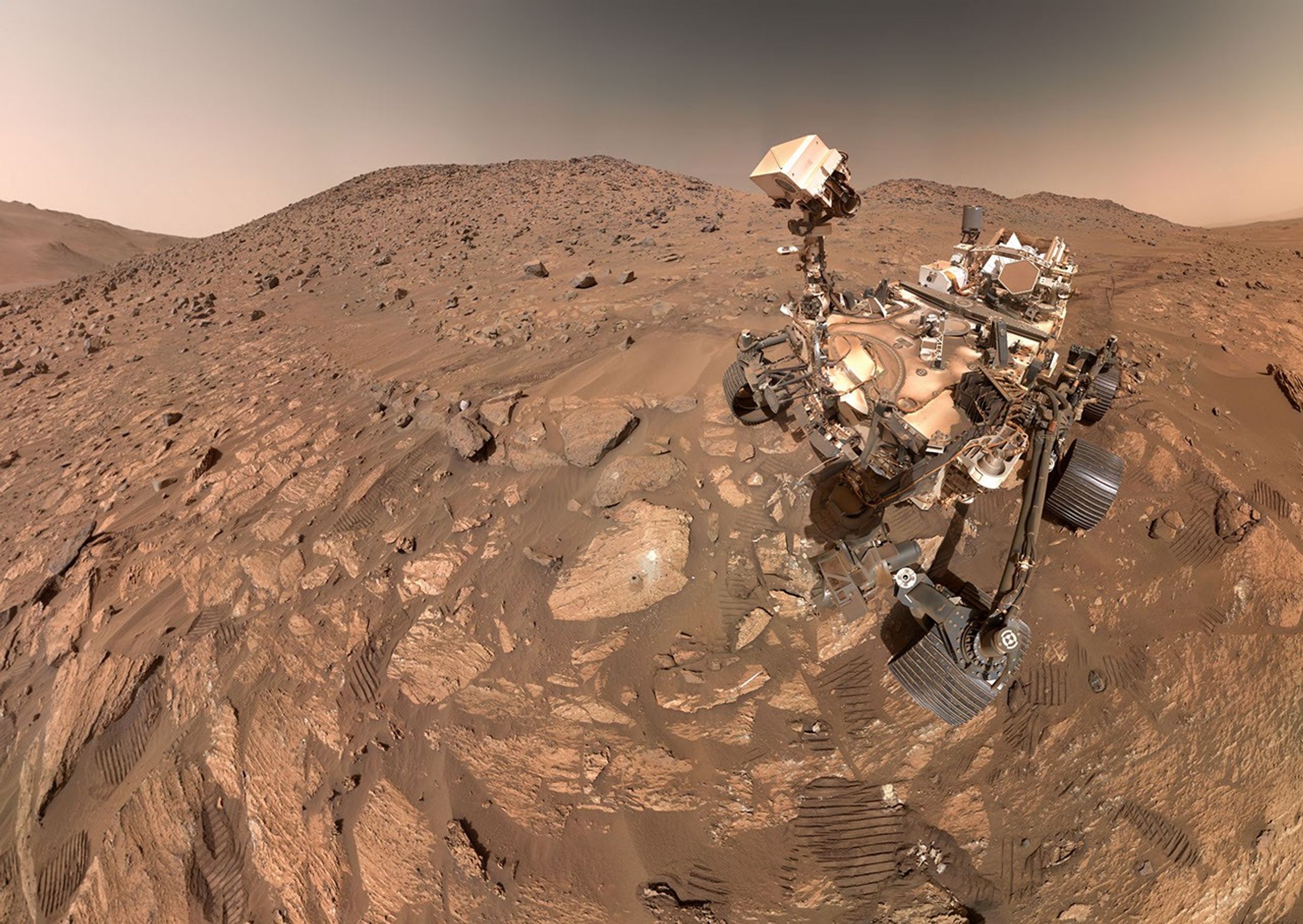
Old Glory on the Red Planet
The United States flag adorns an aluminum plate mounted at the base of the mast, or “head,” of NASA’s Perseverance…
Read the Story
Perseverance Discovered Potential Biosignature
In the summer of 2024, Perseverance investigated its “most puzzling, complex, and potentially important rock yet,” according to one mission scientist. It showed signs of past water, organic material, and clues suggesting chemical reactions by microbial life. In September 2025, after a rigorous, yearlong peer-review to scrutinize the Mars 2020 team findings, the journal Nature published the validated results: Perseverance’s "Sapphire Canyon" sample from the rock nicknamed “Cheyava Falls” contains potential biosignatures — clues that suggest past life may have been present, but that require more data or further study before any conclusions about the absence or presence of life.
Read About the 'Cheyava Falls' Discovery
...the closest we have ever come to discovering life on Mars…
Sean Duffy
Then-acting NASA Administrator, on Sept. 10, 2025, about the potential biosignatures in the “Sapphire Canyon” sample, taken from a rock named “Cheyava Falls”
Mars Rock Samples: The Stories They Could Tell
NASA's Mars Perseverance rover is building a unique rock collection, which also includes samples of Mars atmosphere and loose surface material. These samples record the history of the Jezero Crater landing site, and may even preserve signs of ancient life. Learn more about these precious samples, which Mars Sample Return could deliver to Earth for detailed study in the future.
Learn MoreMars 2020 Team Discoveries
During its first five years on the Martian surface, Perseverance has collected more than two dozen geologically diverse rock samples — including one containing potential biosignatures — explored the history of geology, water, and habitable environments in Jezero crater and on the crater rim, demonstrated proof-of-concept for an off-world helicopter and onsite oxygen production, in preparation for future human exploration, and made numerous science discoveries and technical breakthroughs. Here are just a few.
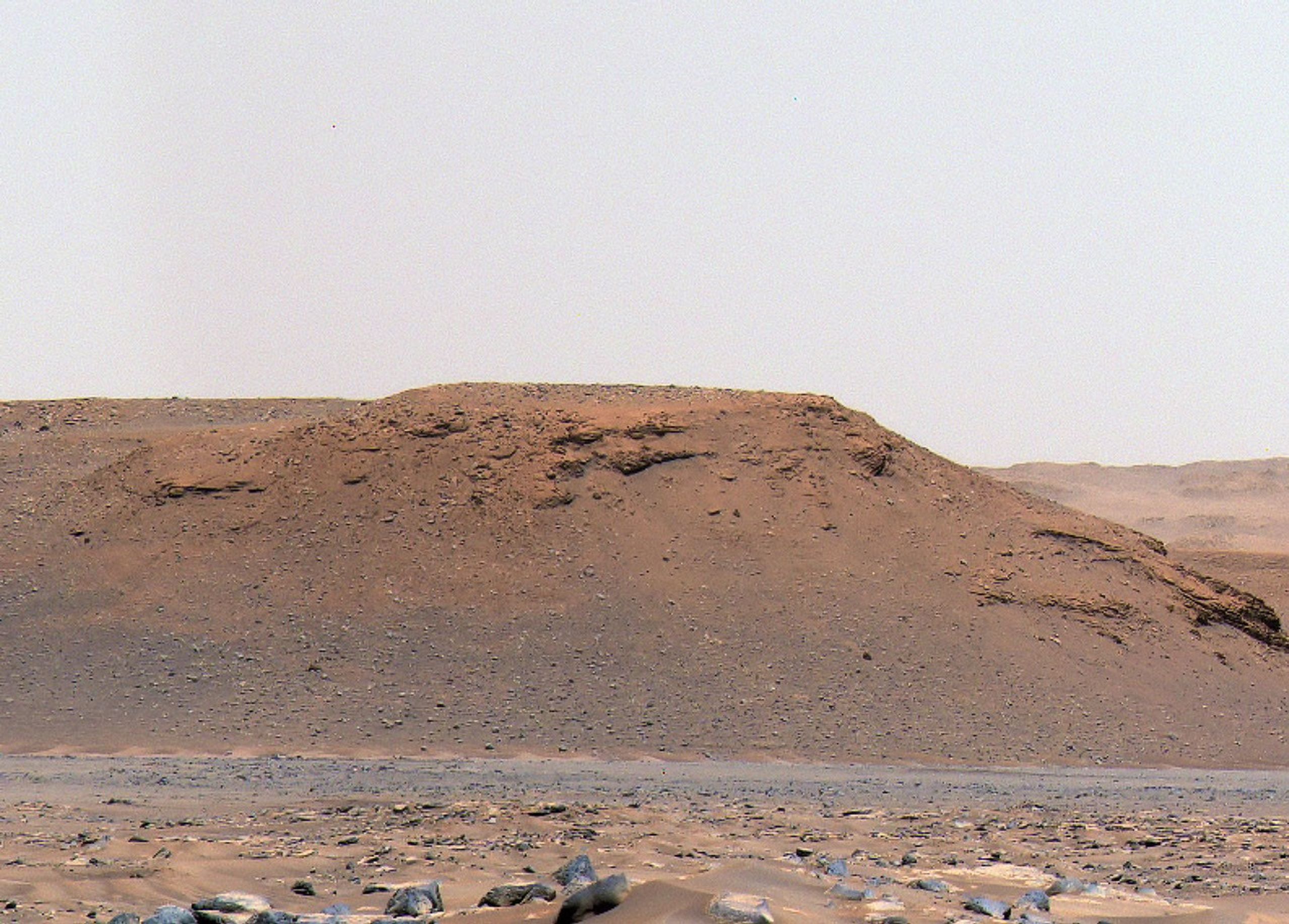
Perseverance Sheds More Light on Jezero Crater’s Watery Past
The rover discovered a habitable, stable lake, delta, and river system in Jezero Crater's history.
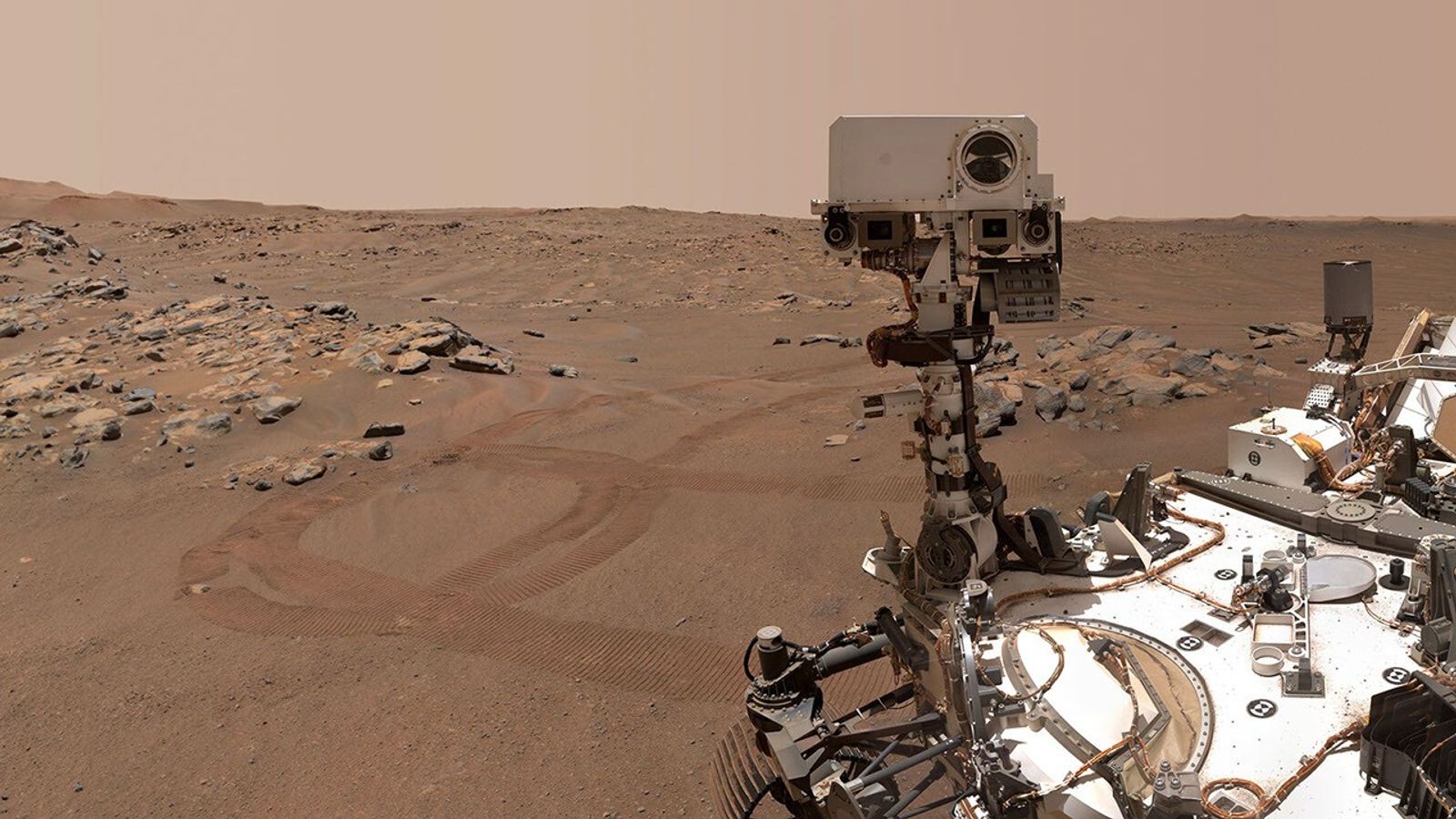
The (Crater) Floor Was Lava
Scientists were surprised to find two different types of volcanic rock that had interacted with water, making up Jezero Crater’s floor.

Perseverance Fords an Ancient River to Reach Science Target
Originally considered just a route to avoid rover-slowing boulders, Neretva Vallis has provided a bounty of geologic options for the science team.

Perseverance Studies the Wild Winds of Jezero Crater
The rover observed diverse and dynamic weather fluctuations, seasonal changes, and a complex hydrologic cycle.
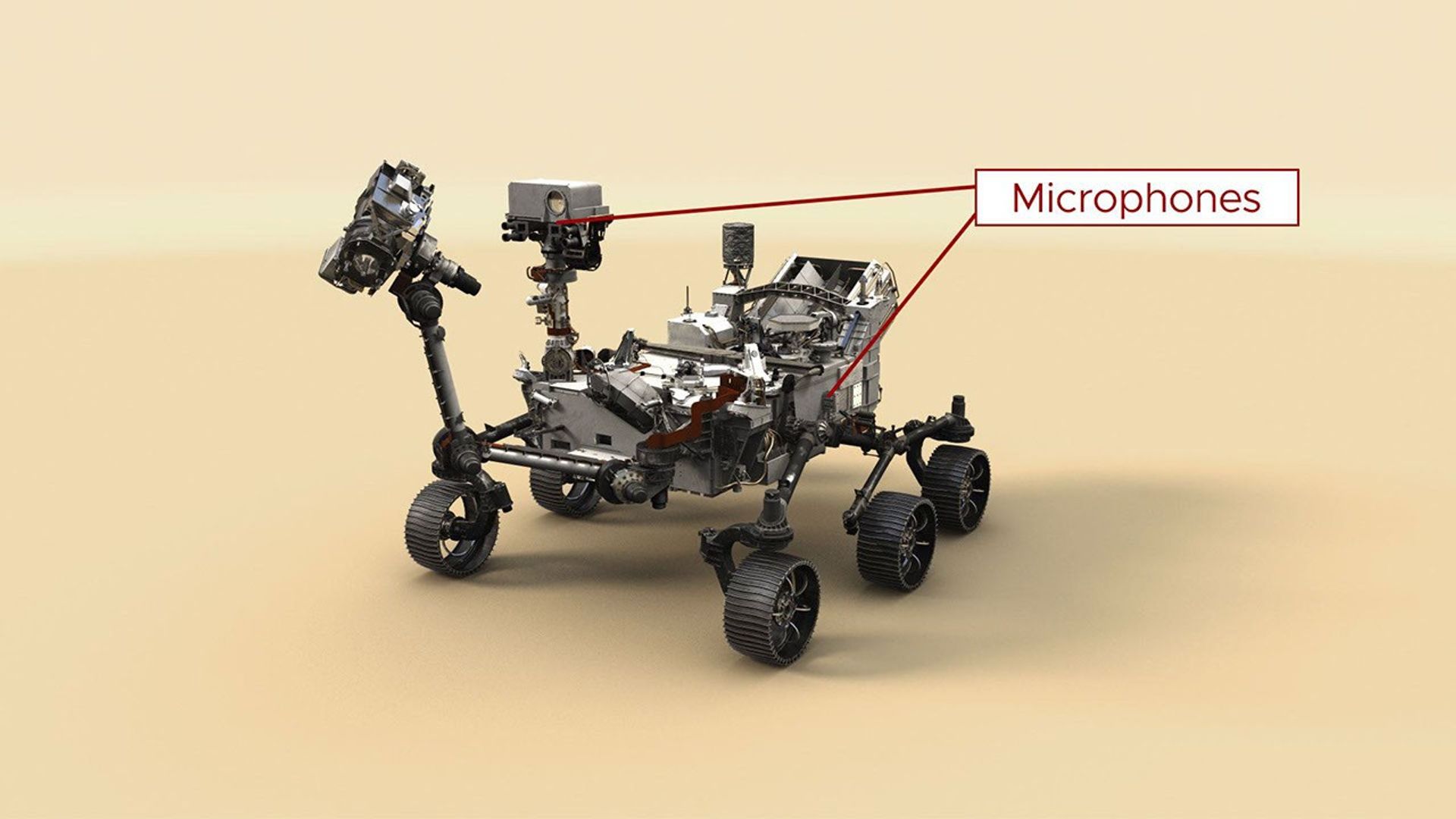
First On-the-Ground Recording of the Martian Soundscape
Hear sounds from Mars captured by NASA’s Perseverance rover.
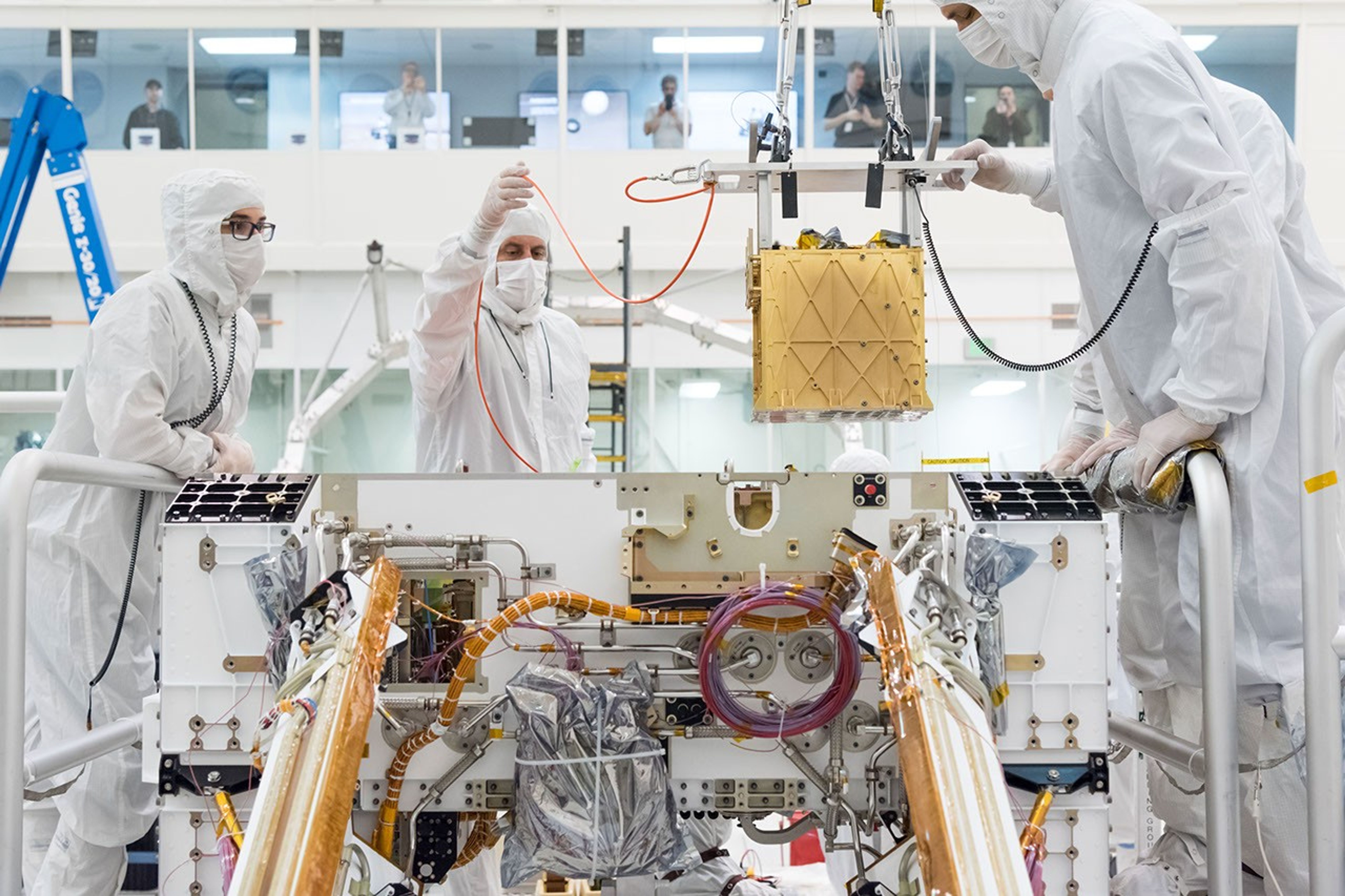
Harvesting Oxygen From the Martian Atmosphere
MOXIE device successfully produces oxygen from carbon dioxide in the Martian atmosphere — technology for future explorers to fill lungs and fuel rockets.
Scenic Overlook
See what Perseverance has been capturing this week with its cameras.
View Raw Images about Scenic Overlook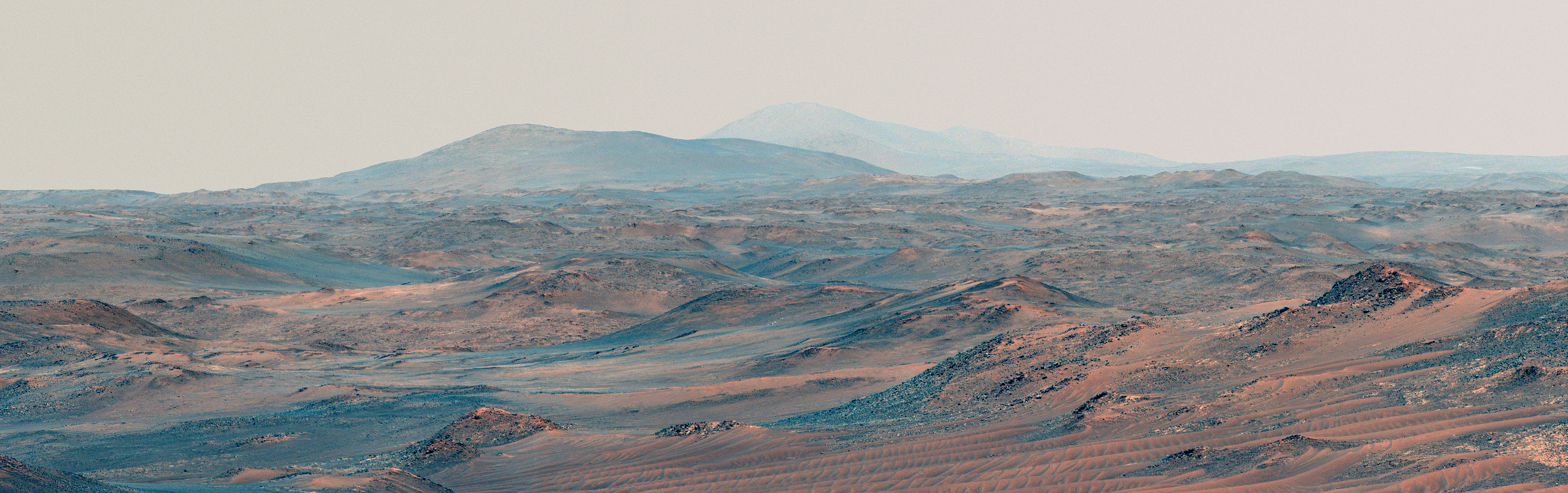
Landing Site: Jezero Crater
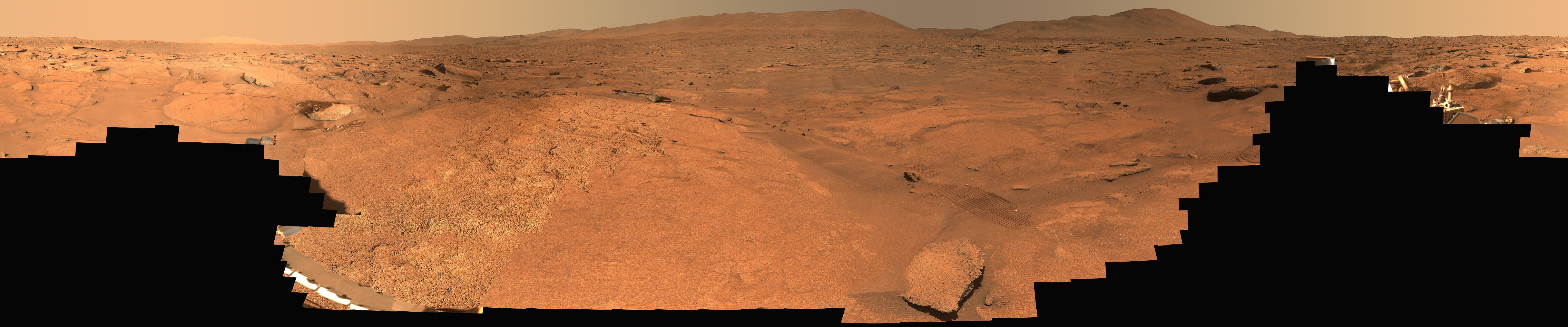
NASA chose Jezero Crater as the landing site for the Perseverance rover. Scientists believe the area was once flooded with water and was home to an ancient river delta. The process of landing site selection involved a combination of mission team members and scientists from around the world, who carefully examined more than 60 candidate locations on the Red Planet. After the exhaustive five-year study of potential sites, each with its own unique characteristics and appeal, Jezero rose to the top.
Jezero Crater tells a story of the on-again, off-again nature of the wet past of Mars. More than 3.5 billion years ago, river channels spilled over the crater wall and created a lake. Scientists see evidence that water carried clay minerals from the surrounding area into the crater lake. Conceivably, microbial life could have lived in Jezero during one or more of these wet times. If so, signs of their remains might be found in lakebed or shoreline sediments. Scientists will study how the region formed and evolved, seek signs of past life, and collect samples of Mars rock and soil that might preserve these signs.
Jezero Crater is 28 miles (45 kilometers) wide, and is located on the western edge of a flat plain called Isidis Planitia, which lies just north of the Martian equator. The landing site is about 2,300 miles (3,700 kilometers) from the Curiosity rover landing site in Gale Crater.
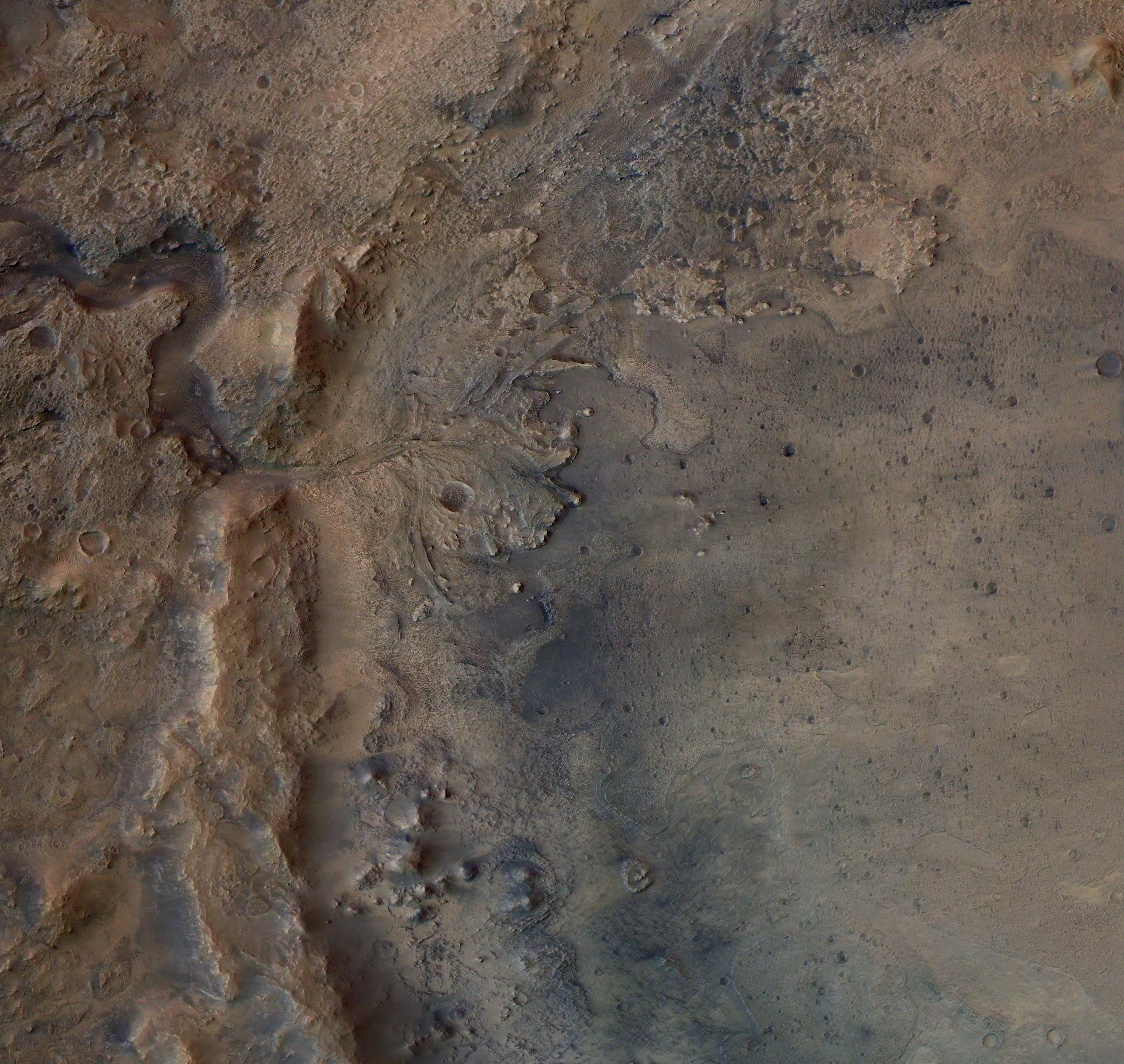
Perseverance Mars Rover Drive Path Animation
This animated orbital-map view shows the route NASA’s Perseverance Mars rover has taken since its February 2021 landing at Jezero Crater to July 2024, when it took its “Cheyava Falls” sample. As of October 2024, the rover has driven over 30 kilometers (18.65 miles), and has collected 24 samples of rock and regolith as well as one air sample.
Learn More


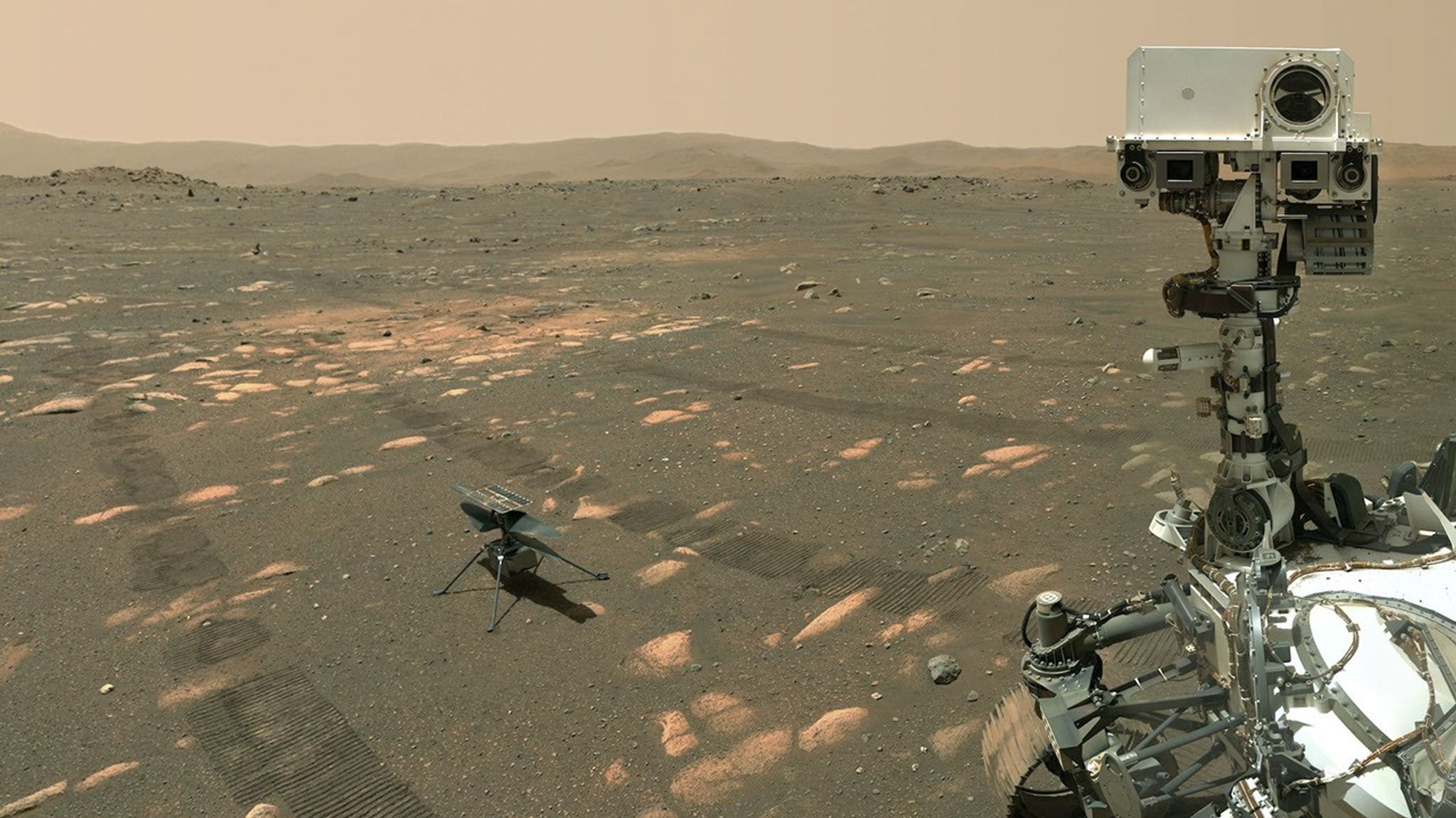
Mars Ingenuity Helicopter
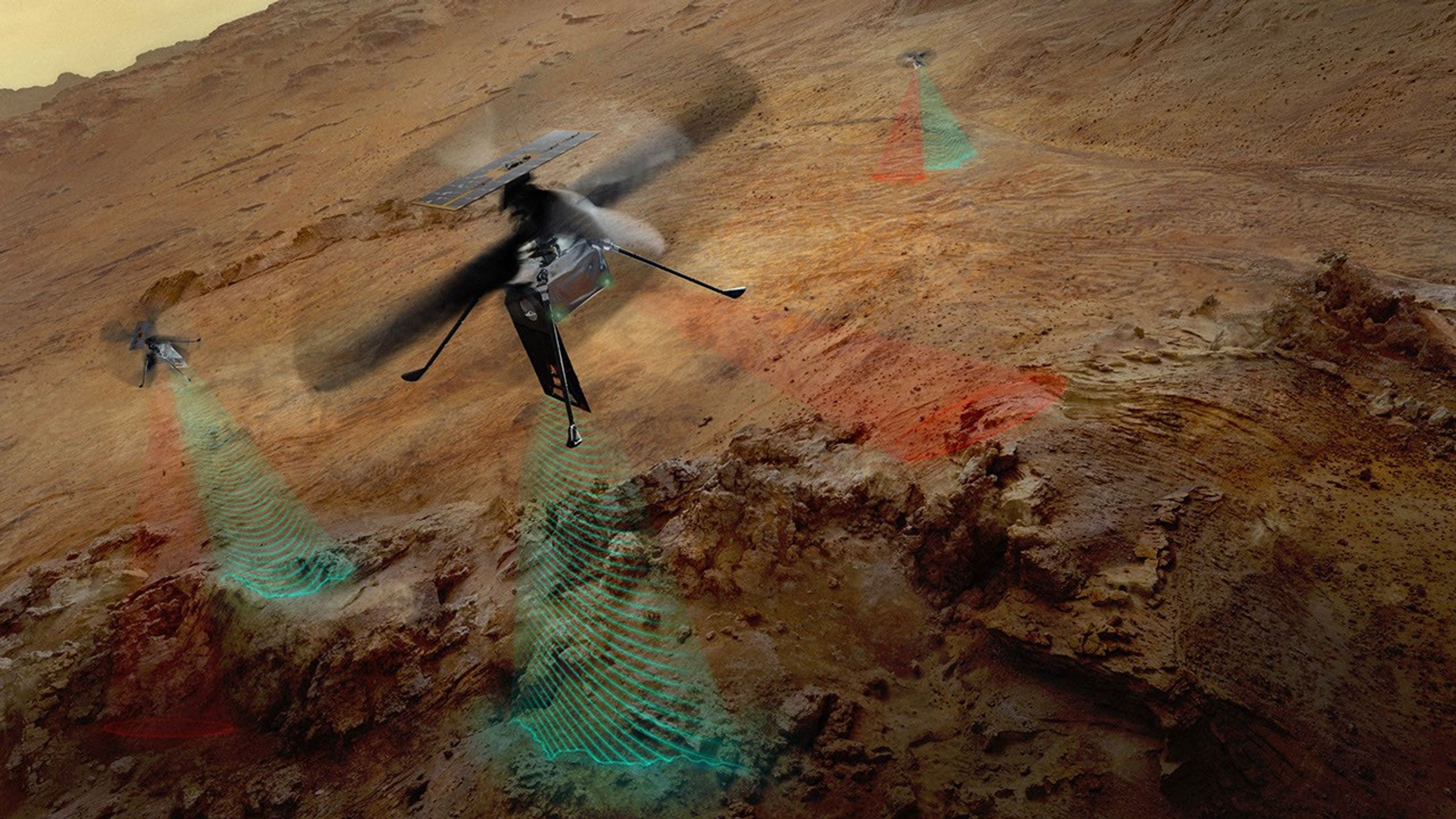
Strapped to the rover's belly for the journey to Mars was a technology demonstration — the Mars Helicopter, Ingenuity, which completed 72 historic flights. In a feat that's been called a “Wright Brothers moment,” Ingenuity became the first aircraft to achieve powered, controlled flight on another planet.
Learn More About Ingenuity about Mars Ingenuity Helicopter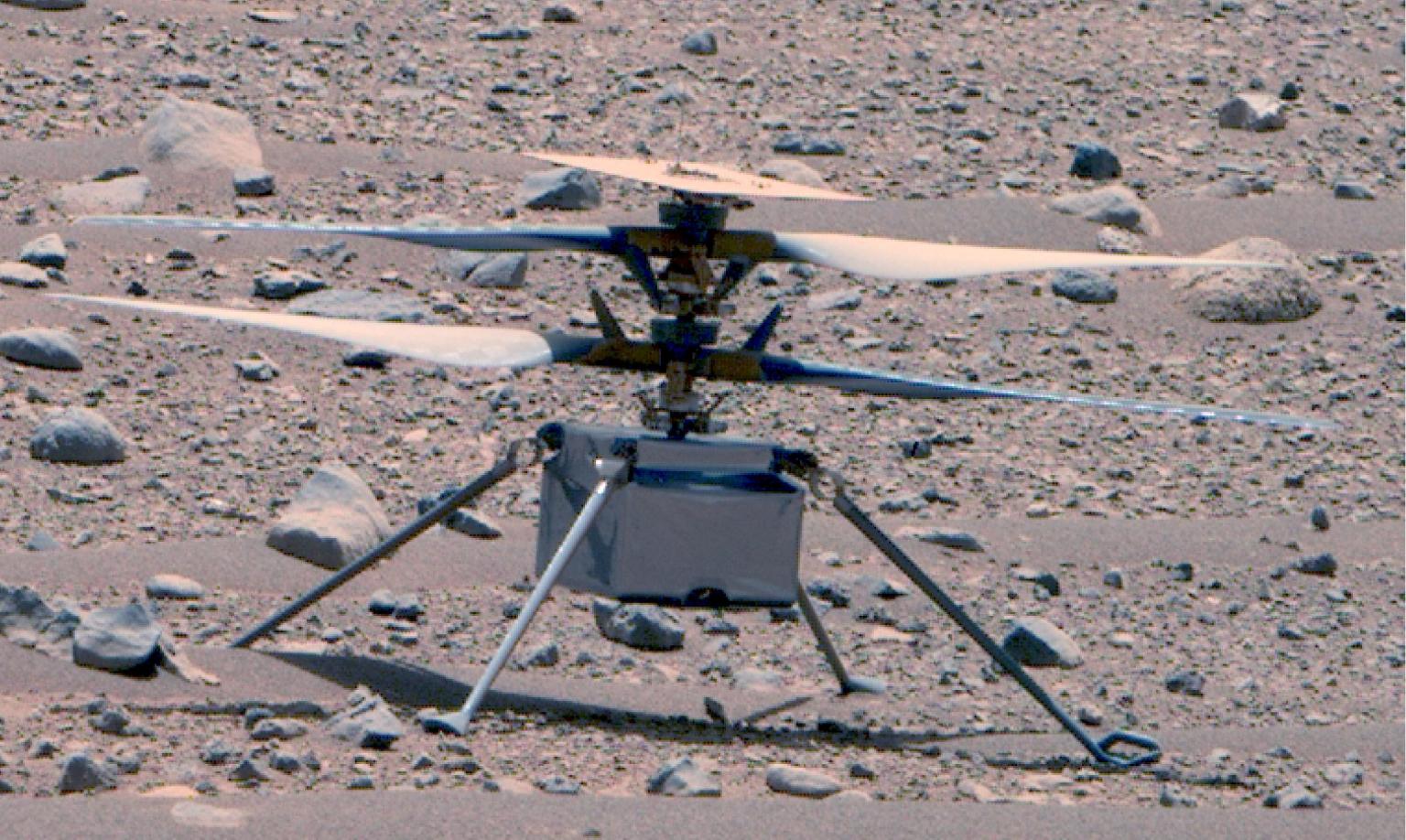
‘Tango Delta.
Touchdown confirmed!’
Feb. 18, 2021: Watch and hear views and commentary from mission control at NASA's Jet Propulsion Laboratory, as the Mars 2020 Perseverance mission lands on Mars. Video includes actual footage from cameras on the spacecraft's entry, descent, and landing suite as it approached the Martian surface.
Watch ‘Perseverance Rover’s Descent and Touchdown on Mars (Official NASA Video)’